Interactive Pipeline Visualizer

The ML Data Pipeline at Work

Click on the stages below to dynamically walk through the raw footage processing, annotating, and training loops.

POV CAM
OVERHEAD
IMU SENSOR STREAM (yaw, pitch, roll)
FR_0120 PASSED
FR_0121 REJECTED
FR_0122 ANONYMOUS

Time-synchronized frame extraction. Blurred frames are flagged. Faces are blurred via automated anonymization filters.

3D JOINT COORDINATES

Joint: Hover a joint node
X-axis: 0.000
Y-axis: 0.000
Z-axis: 0.000
PENDING VERIFICATION

Hover over joints to view real-time 3D coordinate vector matrices. Click to verify the keypoint.

[SYS] Parsing frames...
TRAIN
VAL
TEST
LOSS & ACCURACY CURVES
● ACCURACY ● LOSS
[SYS] Training script initialized.
[SYS] Awaiting epochs...
INFERENCE SPEED 98.4 FPS ERROR LOOP: 0.12%
Stage 1

Data Capture in the Field

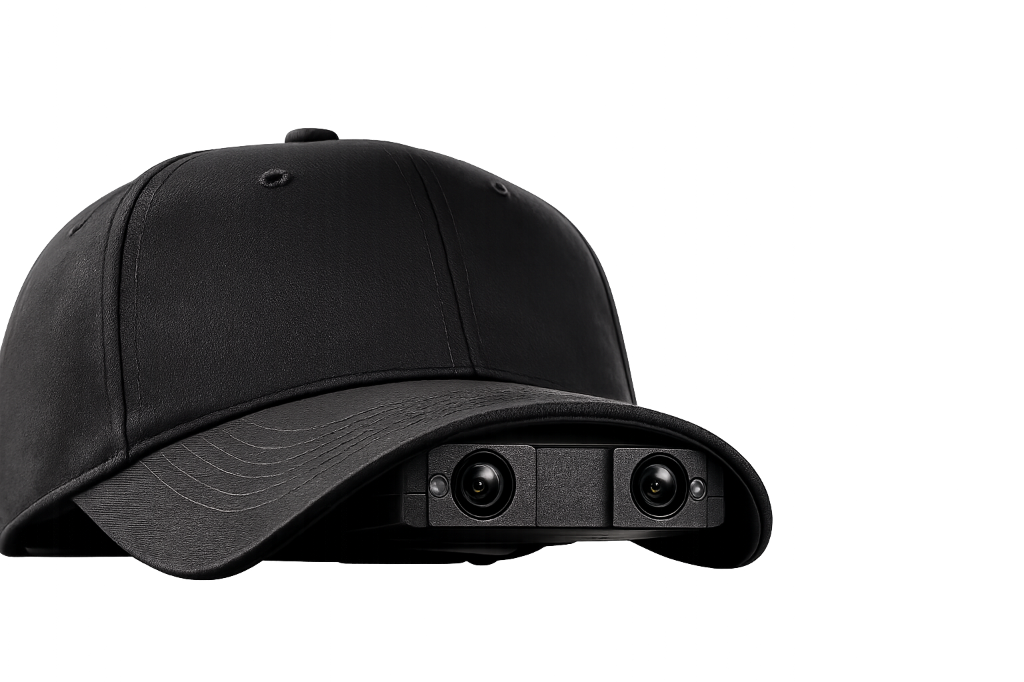
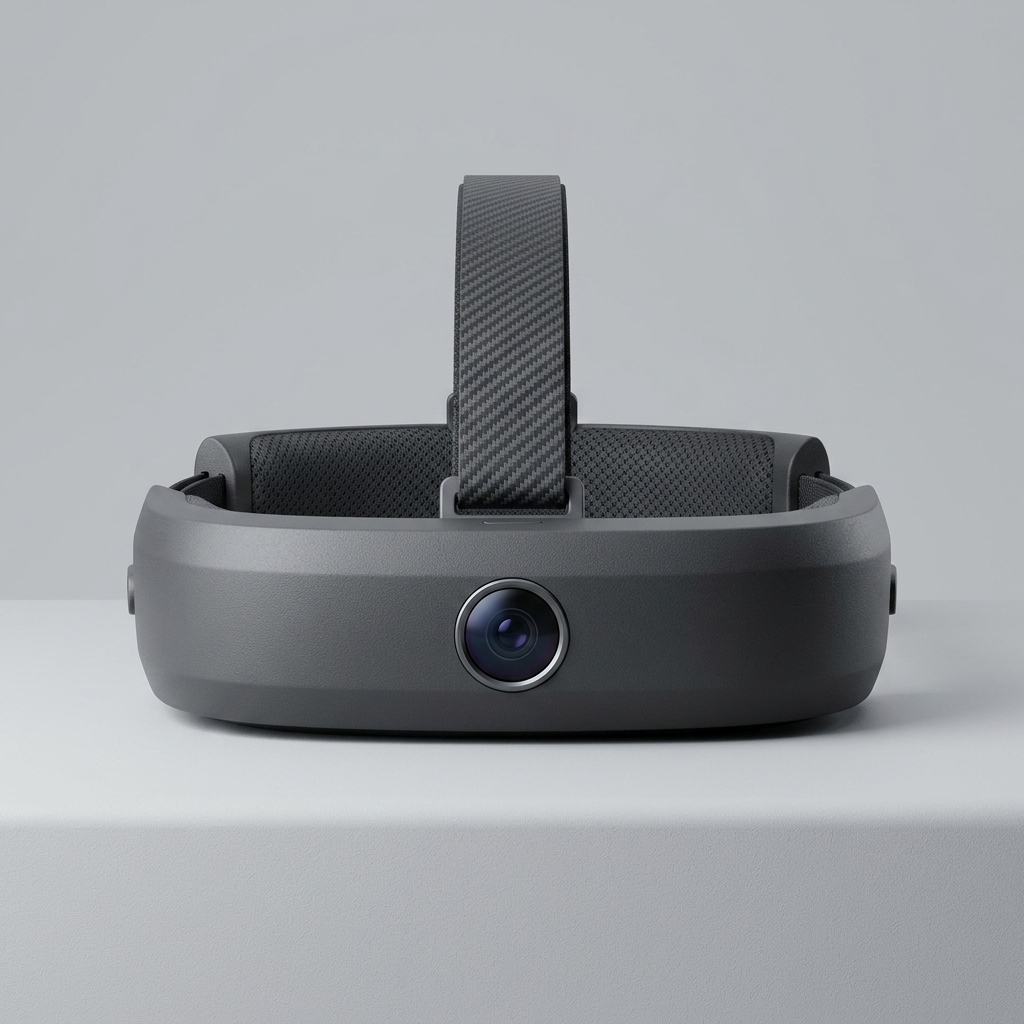
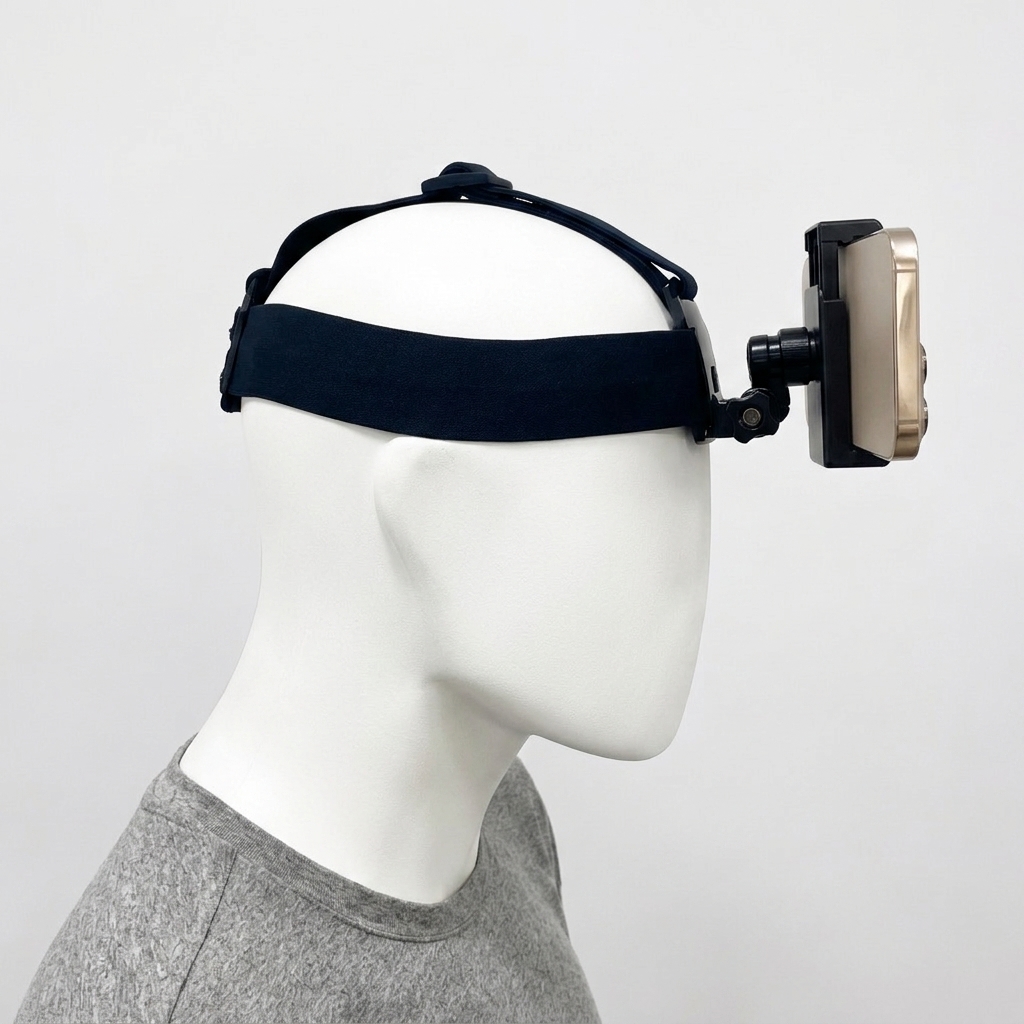
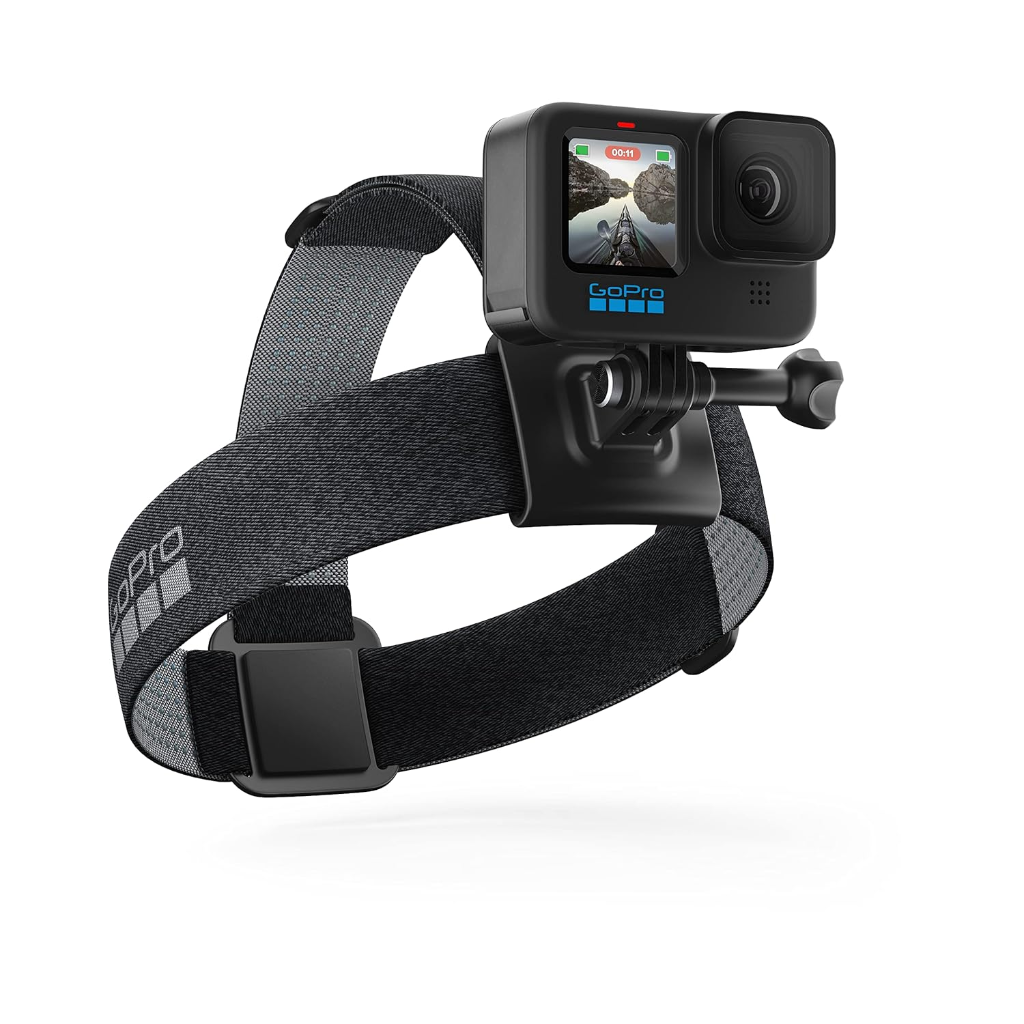
Field agents record high-resolution first-person video using chest-mounted cameras, GoPro rigs, and mobile rigs. The footage captures what a human actually sees and interacts with during physical labor or everyday scenarios.

TECHNICAL PROCESS SPECS

Recording Devices GoPro Hero 12, DJI Osmo
Output Format 4K MP4 (60fps)
Resolution 3840 x 2160 px
Deep Dive

The Complete Pipeline Anatomy

A comprehensive technical breakdown of how raw human behavioral footage is captured, structured, and deployed into AI controllers.

Stage 1 — Field Data Capture

The raw pipeline begins with field-based recording of native workers in their natural workspaces, focusing on the operator's egocentric point-of-view.

  • Egocentric POV: Chest/head-mounted cameras (GoPro Hero 12, DJI Osmo) record the visual field and hand orientation of the worker.
  • Overhead Workspace View: Synchronized static overhead cameras capture broad trajectories, spatial dynamics, and auxiliary equipment parameters.
  • 3D Spatial Reconstruction: Multi-camera array placements align relative coordinates across complex bimanual workspace environments.

"The footage captures what a human sees and does — not a third-person observation."

Field Data Capture

Stage 2 — Video Preprocessing

Raw video streams undergo automated filtering and cleaning loops to protect participant identity and parse out unusable video frames.

  • Frame Extraction: Raw videos are sliced into individual high-definition frame sequences (typically 1 to 30 frames per second).
  • Temporal Synchronization: Dual and multi-camera perspectives are synchronized with sub-millisecond precision.
  • Anonymization Filters: Automated face-blurring and license plate masking tools ensure strict PII compliance.
  • Quality Audits: Frames containing extreme motion blur, lighting occlusion, or focus slips are flagged and auto-rejected.
Video Preprocessing

Stage 3 — Data Annotation

Trained labelers annotate geometric, keypoint, and behavioral landmarks directly onto the parsed frame sequences.

Annotation Style Technical Target ML Model Target
Bounding Boxes 2D/3D boxes around hands, tools, objects Object Detection
Keypoint Skeleton 21-joint hand framework, body pose landmarks Pose Estimation / Gestures
Semantic Segmentation Pixel-by-pixel object boundary classification Scene Understanding
Action Labels Temporal segment tags ("picking up", "cutting") Activity Recognition
Gaze Estimation Focus vectors relative to the field of view Attention Modelling
Optical Flow Direction and velocity vectors of moving objects Motion Prediction

Software employed: CVAT, Label Studio, Scale AI, Labelbox, Roboflow.

Data Annotation

Stage 4 — Feature Extraction

Individual video frames are translated into highly structured, low-dimensional coordinate representations that deep learning models can ingest.

  • Anatomical Extraction: Feeds frames to OpenPose/MediaPipe to map 21 wrist/finger joint coordinate matrices (X, Y, Z).
  • Bounding Class Map: YOLO/Detectron2 networks resolve object locations and class probability arrays.
  • Scene Embeddings: DINOv2 encoders extract global lighting, spatial context, and tool properties into feature vectors.

"The output is no longer a video — it's a numerical representation of what happened in that frame."

Feature Extraction

Stage 5 — Dataset Construction

Extracted features are curated, balanced, and prepared for neural net optimization cycles.

  • Train / Val / Test Split: Standardized division (70% training, 15% validation, 15% testing splits).
  • Demographic Balancing: Datasets balanced across participant hand sizes, lighting parameters, and factory shifts.
  • Geometric Augmentation: Frames are rotated (+/- 15deg), flipped, and contrast-shifted to expand dataset scale.
  • Export Ingestion: Formatted into COCO JSON, YOLO .txt, Pascal VOC, or PyTorch TFRecords.
Dataset Construction

Stage 6 — Model Fine-Tuning

General baseline AI frameworks are optimized with localized human data to resolve action trajectories and hand pose profiles.

  • Behavior Cloning: Direct supervision where models learn mapping between camera frames and corresponding hand actions.
  • Imitation Learning: Tracing spatial joint movements to copy trajectories: "when gripping a cylindrical object, apply X force at Y angle."
  • Egocentric AI Vision: Equips wearable assistant models to recognize what is in a user's view and anticipate next-step tasks.
Model Fine-Tuning

Stage 7 — Deployment & Feedback Loop

Models are deployed directly onto edge computers controlling physical robotics hardware or wearable software stacks.

  • Edge Inference: Real-time processing (resolves visual feed ➔ joint coordinates ➔ robotic actuation).
  • Out-of-Distribution Triggers: Active learning checks flags anomalies or failure cases (e.g. slips, mistargets).
  • Recycling Loop: Failed cases are tagged and routed back to Stage 1 to launch fresh field capture campaigns.
Deployment & Feedback Loop
Comparative Analysis

Why Indian Field Data specifically matters

Machine learning models fail in wild out-of-distribution deployments. Localized data capture bridges the execution gap.

Failure Mode in Robotics/Wearable AI How Indian Field Data Resolves It Visual & Spatial Complexity Factor
Model fails in low-light or harsh sun Field footage captured under diverse natural Indian warehouse & farm conditions Lighting Variation
Model fails with non-standard grip styles Indian manual workers employ highly specific traditional tool grip profiles Grip Trajectory Diversity
ASR voice models fail on regional accents We record natural vocalizations across 10 major Indian regional languages Linguistic Variance
Gesture models misread hand signals Indian regional gesture patterns differ heavily from Western datasets Gesture Vocabulary
Activity models fail in cluttered spaces Local markets, factory floors, and domestic kitchens are visually dense Background Visual Complexity
Enterprise Footprint

Companies Operating at Scale

Where this dataset acquisition pipeline sits inside the global robotics and computer vision industries.

Humanoid Robotics

Developers like Figure AI, Boston Dynamics, and Agility Robotics ingest massive behavioral datasets to train humanoid models on fine motor tasks.

Spatial Computing

Eyewear developers (e.g. Meta's Project Aria or Apple Vision Pro) require egocentric gaze coordinates to refine hand-tracking algorithms.

Warehouse Automation

Logistics providers like Amazon Robotics deploy models trained on picking, packing, and sorting datasets to automate bimanual lines.